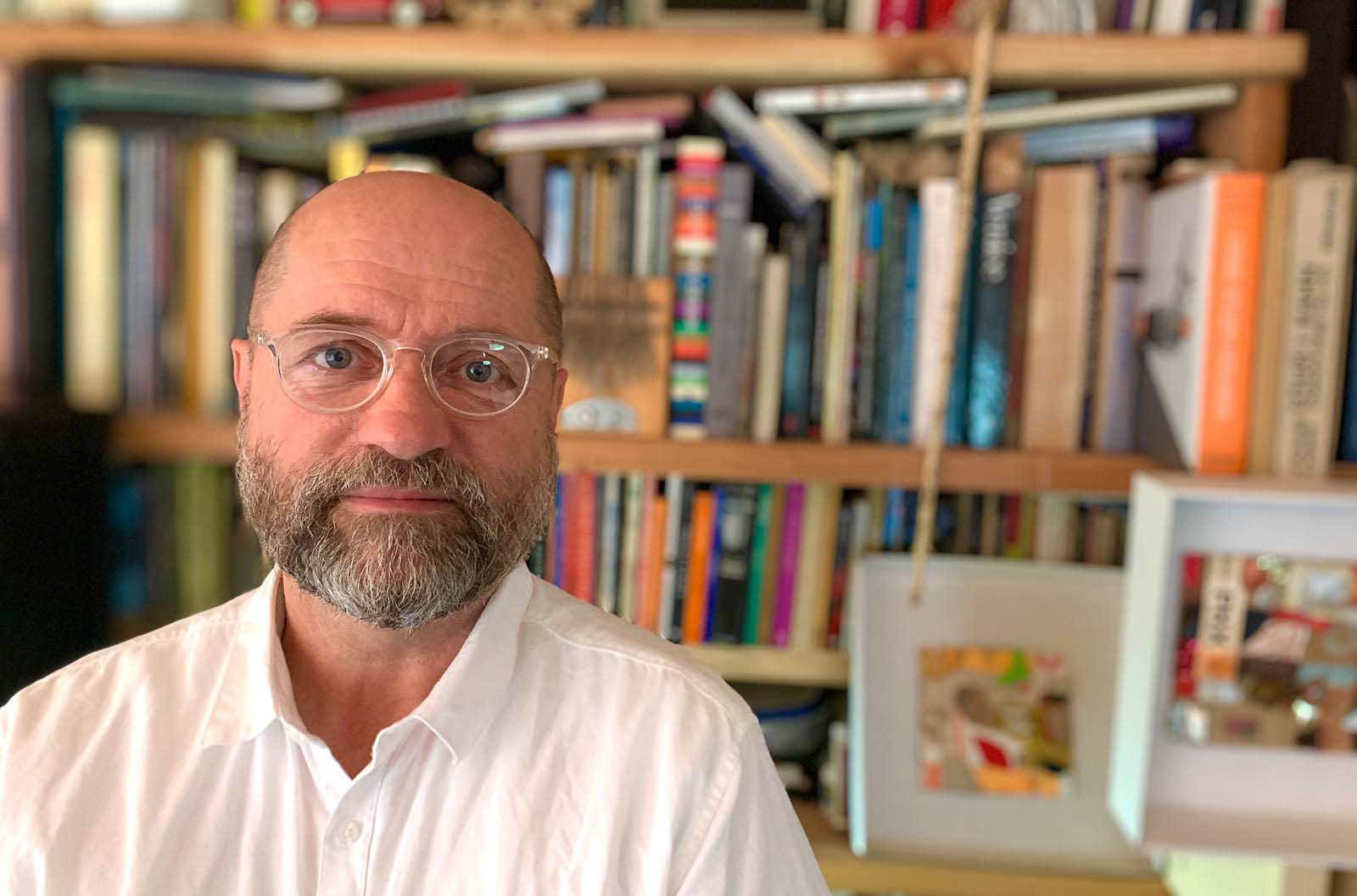
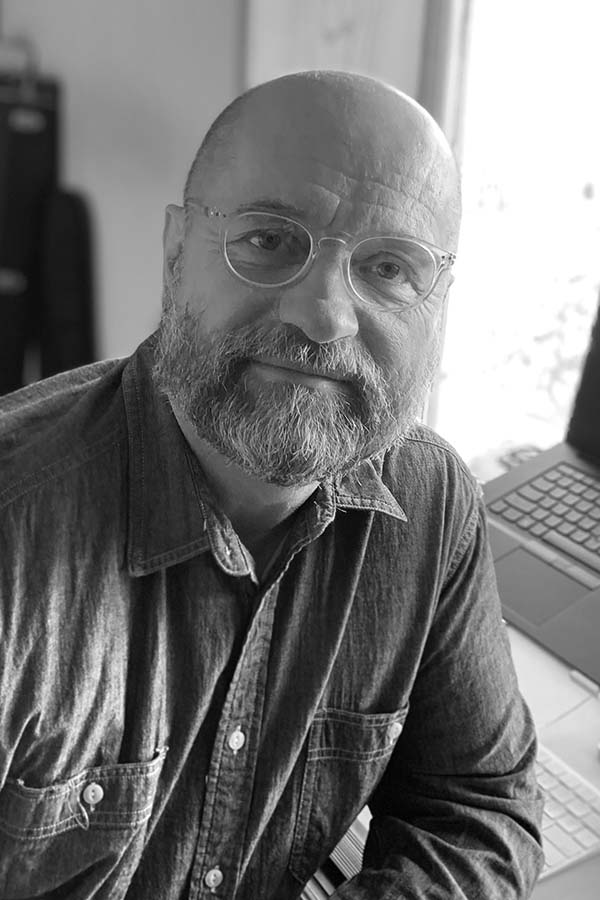
Brian Gotwals
Brian Gotwals
ABOUT BRIAN

Brian Gotwals

Brian Gotwals
B.A. Art, University of Chicago / M.Arch UC Berkeley

Brian Gotwals, AIA LEED AP NCARB

have practiced architecture over 25 years. My current practice is focused on single-family and multi-family homes. I strongly believe in the value that hiring an architect can bring to a building project, and the process is fun. An architect can help you discover and prioritize what you like, create a vision for it and help put together a budget and drawings/documents.
I like simple solutions that have some life to them; something very specific that would best come from a client through conversations (but not always). I like sustainable solutions and have a LEED credential. I live in Iowa City, IA and practice from my home.

FIVE THINGS ABOUT BRIAN
  • He makes collages and now posts them on Instagram.
  • He is a burning-hot oldtime banjo player.
  • He has been restoring his historic home for the last 5 years.
  • Born in Bloomington, Indiana. He comes from a line of quarriers farmers, and barbers.
  • Loves the landscape and towns of Iowa.

Creating Value

Creating value in a building design means setting priorities, budgets, and quantities with a client to meet their desires for the project, and working within them to create a realization of a shared vision. Design is an iterative process. Design progresses in the form of sketches and models that are refined again and again, then reviewed for adherence to the original priorities, budgets and quantities before whole process begins anew. Sometimes priorities change, but the successive reviews reduce the endeavor down to an essential concept.

  1. Understand your priorities. Ask yourself, what is truly important for this building? Sometimes a photograph of a space captures something meaningful. Ask yourself, what do I like about this space? Sometimes priorities are “line items” such as a huge kitchen, or a special place for a family heirloom, or an “aging in place” strategy.
  2. Understand your constraints. Establish a budget that includes a line item for contingencies during the design process and construction process. Establish expectations for how long the design and construction process should take. Stay flexible—construction costs are sometime volatile, which may require a second look at your priorities, which can take extra time.
  3. Understand the site. Sites are as unique as people. What are the natural limits to your site? Is there a natural place for an entry? Which is the best way for a building to face? Track the path of the sun and translate it into a rough arrangement of rooms.
  4. Develop flexibility in spaces and features. A good design links together features that serve more than one purpose now or in the future.
    • Example 1: study converts to guest bedroom converts to age-in-place bedroom.
    • Example 2: Storage bench, a place to store shoes and put them on.
      Seize the moment—Insulate! Increasing the level of insulation beyond the code-required minimum is a good idea and it is never cheaper to do so than during design.
  5. Fossil fuels lead to poor outcomes for society in the long term. Consider electric systems that can be tied into sustainable sources of energy, now or in the future.
  6. Develop Alternates. Alternates are isolated parts of a building design that a contractor can bid on separately. Alternates can offer a “Plan B” approach if construction bids come in over a budgeted amount—a certain alternate finish or space can be removed to reduce the cost. Conversely, if pricing comes back below budget, alternate finishes, spaces or systems can be added to the design.